
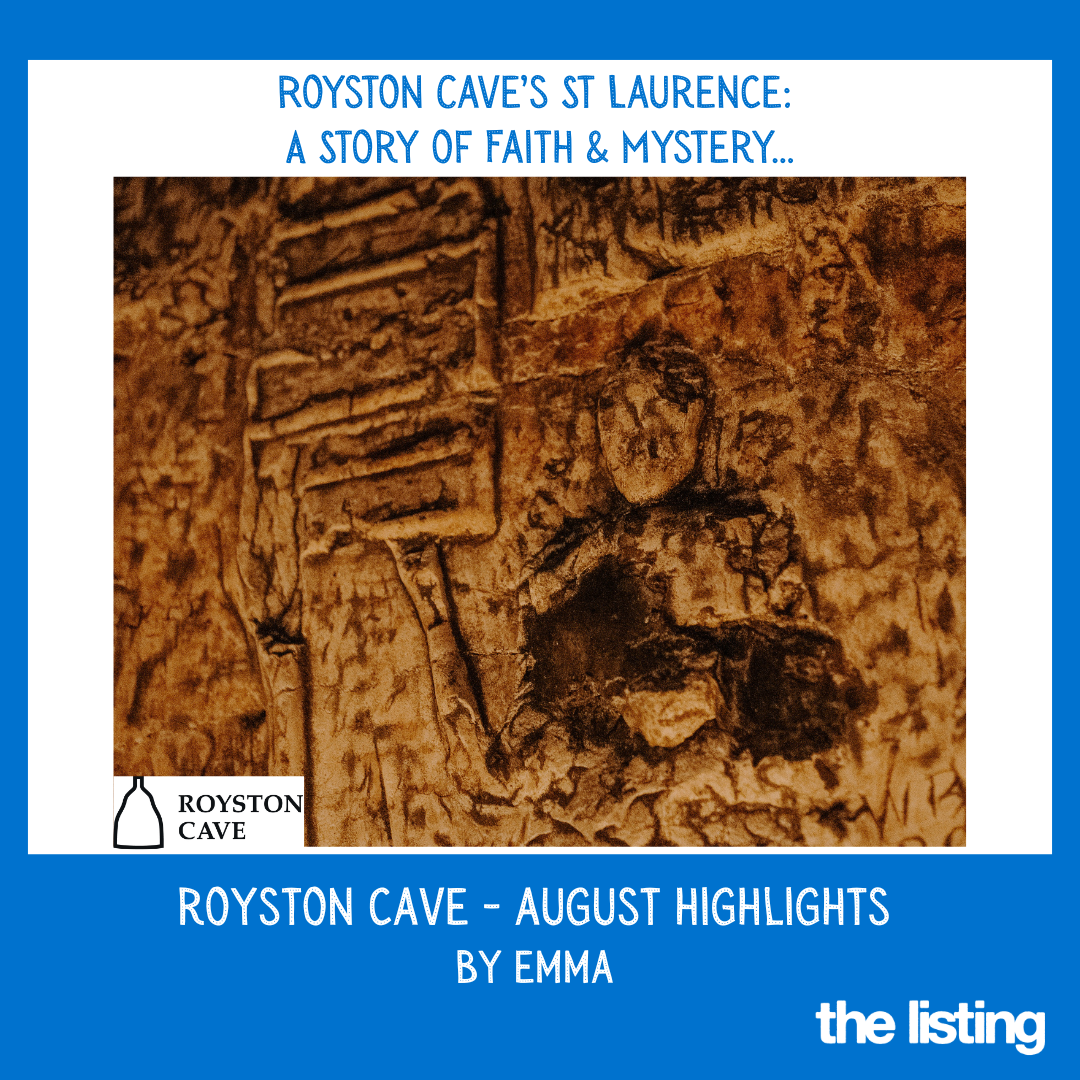
St Laurence remains one of the most compelling figures of early Christian history, remembered for his courage, charity, and the powerful legends that grew around his death.
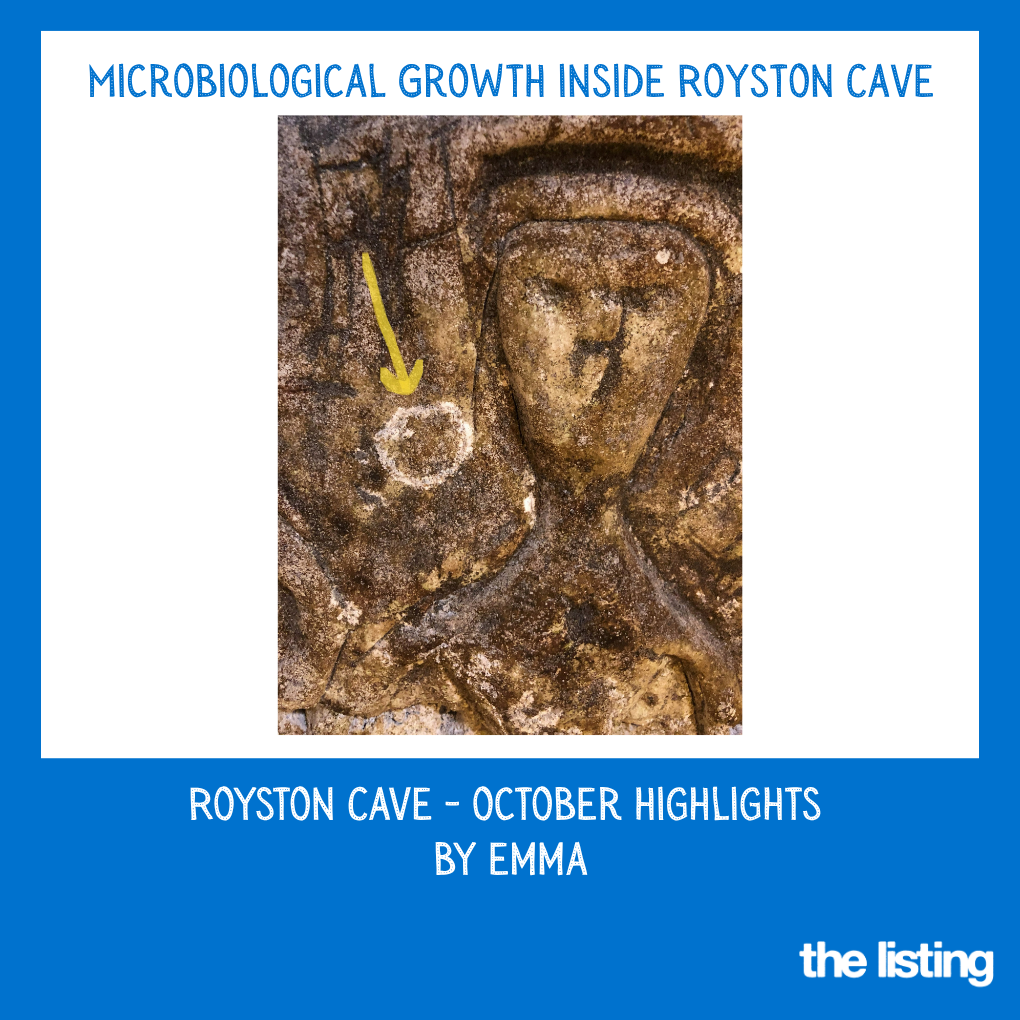
Born in the 3rd century and serving as a deacon of Rome, Laurence was responsible for distributing alms and safeguarding the Church’s treasures. When Emperor Valerian ordered the seizure of Christian property in 258, Laurence famously presented the city’s poor as the true wealth of the Church. For this act of defiance, he was executed on 10th August 258, traditionally on a gridiron – an image that appears in medieval art and in the carving identified as St Laurence within Royston Cave.
A significant tradition claims that Laurence also protected one of Christianity’s most sacred relics: the Holy Chalice, believed by many to be the cup used at the Last Supper. According to early Spanish sources, Pope Sixtus II entrusted the chalice to Laurence during the persecution, and Laurence sent it to Aragon for safekeeping. The chalice was hidden for centuries in Pyrenean monasteries before eventually becoming the revered
Holy Chalice of Valencia, still housed in Valencia Cathedral today.
St Laurence’s legacy also extends into the night sky. Around his feast day, the Perseid meteor shower reaches its peak, long known in Christian Europe as the “Tears of St Laurence.” Before modern astronomy explained the phenomenon, these falling streaks of light were seen as celestial reminders of the martyr’s suffering and steadfast faith.
To celebrate his feast day, the cave will be open for a midweek special on Monday 10th August at 11am and 11.45am.
By Emma, Royston Cave Manager
For more information: info@roystoncave.co.uk | FB @roystoncave | Insta @royston_cave | www.roystoncave.co.uk
Royston Cave is open on weekends and Bank Holidays until the end of September 2026, every weekend afternoon.
Private tours and group bookings are available year round.
To book a tour, visit: www.roystoncave.co.uk
Royston Cave, Melbourn Street, Royston SG8 7BZ