

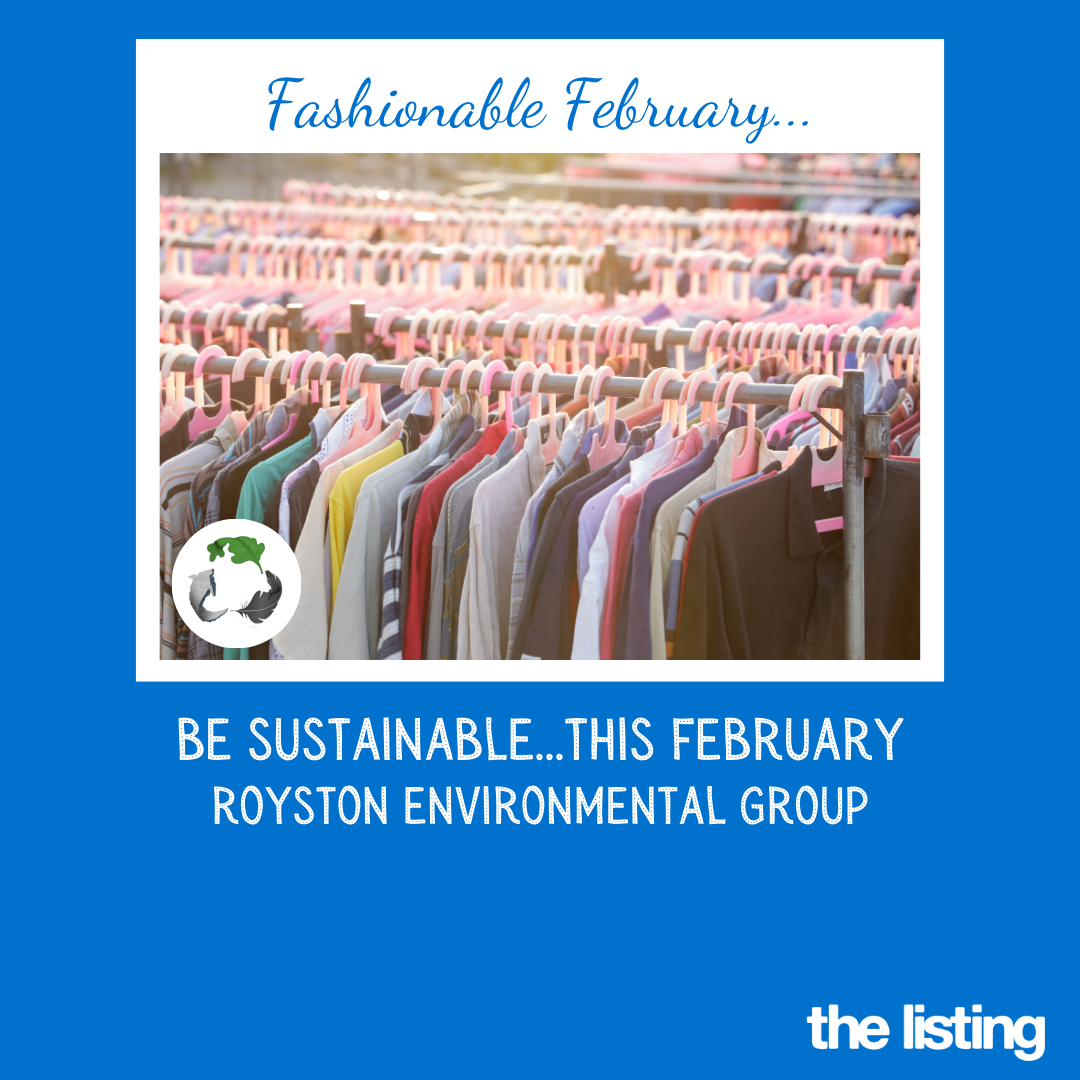
Are you a dedicated follower of fashion? Fast fashion has transformed the way we shop, but its cost to the planet and society is staggering.
The fashion industry is responsible for around 10% of global carbon emissions and growing. The environmental footprint extends beyond carbon: the industry is the second-largest consumer of water worldwide, using roughly 700 gallons to make a single cotton shirt and 2,000 gallons for a pair of jeans.
Pollution arises at every production stage. Dyeing and finishing textiles cause the largest share of fashion’s pollution, with wastewater often contaminating rivers. Synthetic fibres can shed microplastics during washing, contributing an estimated 35% of all ocean microplastic. Meanwhile, the speed of production drives overconsumption and waste; each year, 85% of textiles end up in landfill. (Data taken from www.earth.org/fast-fashions-detrimental-effect-on-the-environment)
We can swap fast fashion for slow fashion; buy less and ensure it lasts longer by buying quality and repairing. Consider the fabric; silk, wool, cotton, linen and hemp are more sustainable than synthetic fabrics. Shop second hand and rent or swap clothing to refresh your wardrobe without costing the earth.
Royston Repair Cafe have a repair session on Saturday 14th February at Coombes Community Centre – book your slot in advance to avoid disappointment! They also have a list of local repairers which can be viewed on the Royston Environmental Group website. Groups like Fabric Folk teach fun visible mending and repurposing techniques so you could even do this yourself.
Royston Environmental Group are organising Royston’s first Swish (clothing swap) later this year on Saturday 21st March in The Old Bull Inn. Hope to see you there!